Afghanistan Tour Packages: What to Expect
Planning a trip to Afghanistan is not like booking a standard holiday. There are no package deal websites, no all-inclusive resorts, and no tourist infrastructure in the conventional sense. What exists instead are a small number of experienced local operators who build custom itineraries for international visitors — and this page explains how those work, what they typically include, and what you should expect to pay. How Afghanistan Tour Packages Work Afghanistan tour operators typically offer fully customized private tours rather than group departures. You communicate your interests, timeline, and budget; the operator designs an itinerary, provides all logistics (vehicles,
Read moreWakhan Corridor Travel Guide
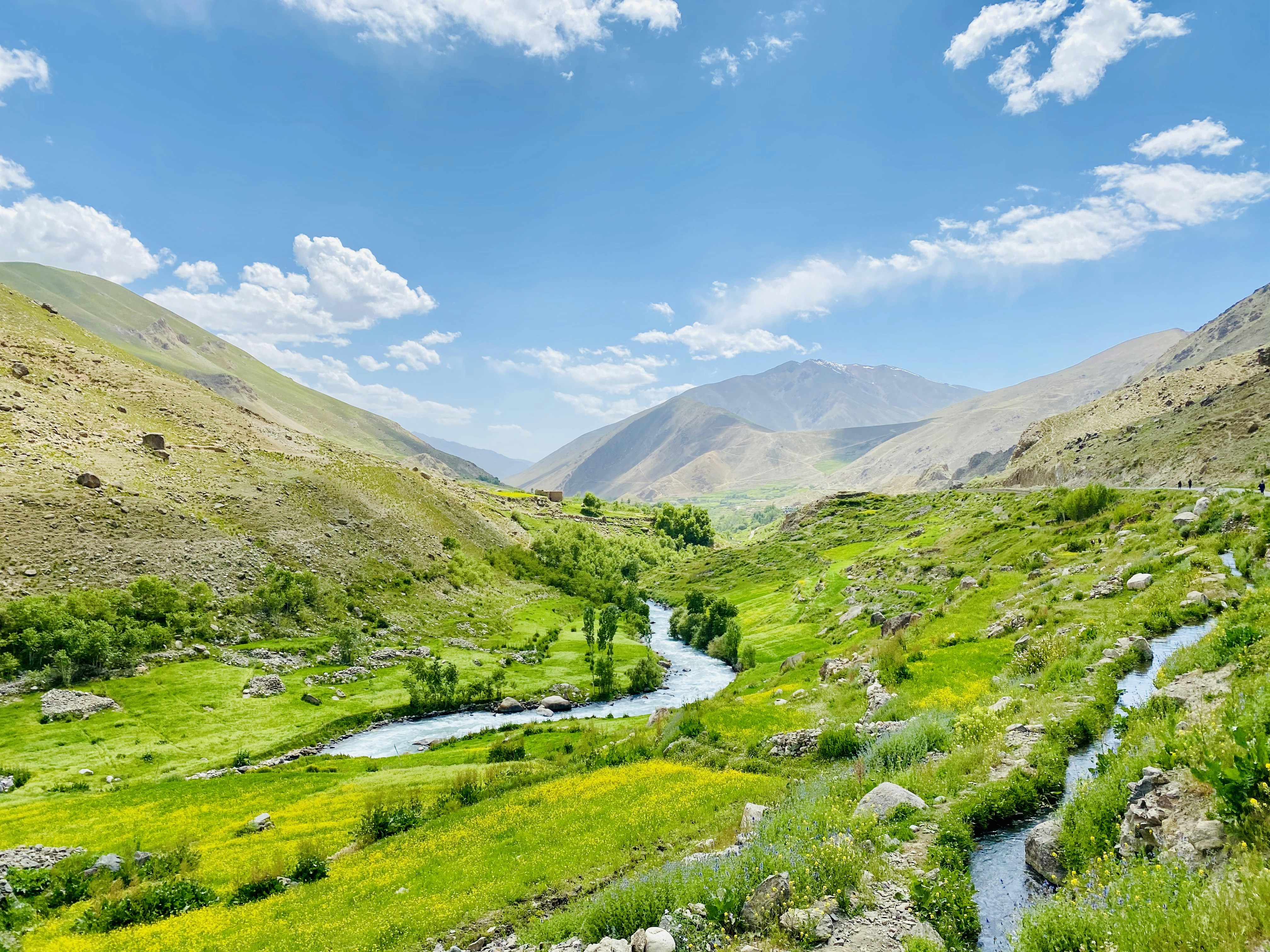
The Wakhan Corridor is one of the most remote and extraordinary landscapes on earth — a narrow strip of Afghan territory stretching 350 kilometres eastward to the Chinese border, flanked to the north by Tajikistan’s Pamir mountains and to the south by the Karakoram and Hindu Kush ranges of Pakistan. It is home to the Wakhi people in the lower valley and nomadic Kyrgyz communities on the high Pamir plateau above. For serious trekkers and adventurous travelers, it is a destination unlike any other on the planet. What Makes the Wakhan Special The Wakhan Corridor’s appeal lies in its combination
Read moreMazar-i-Sharif Travel Guide
Mazar-i-Sharif — “Noble Shrine” — is Afghanistan’s fourth-largest city and home to one of the most stunning mosques in all of Central Asia. Located in northern Afghanistan near the Uzbekistan border, Mazar is a significant pilgrimage destination for Afghan Muslims and a city with a rich cultural heritage distinct from southern and eastern Afghanistan. The Blue Mosque (Shrine of Hazrat Ali) The defining attraction of Mazar-i-Sharif is the Shrine of Hazrat Ali — the Blue Mosque — which according to Afghan tradition contains the tomb of Ali ibn Abi Talib, the cousin and son-in-law of the Prophet Muhammad (though other
Read moreHerat Travel Guide
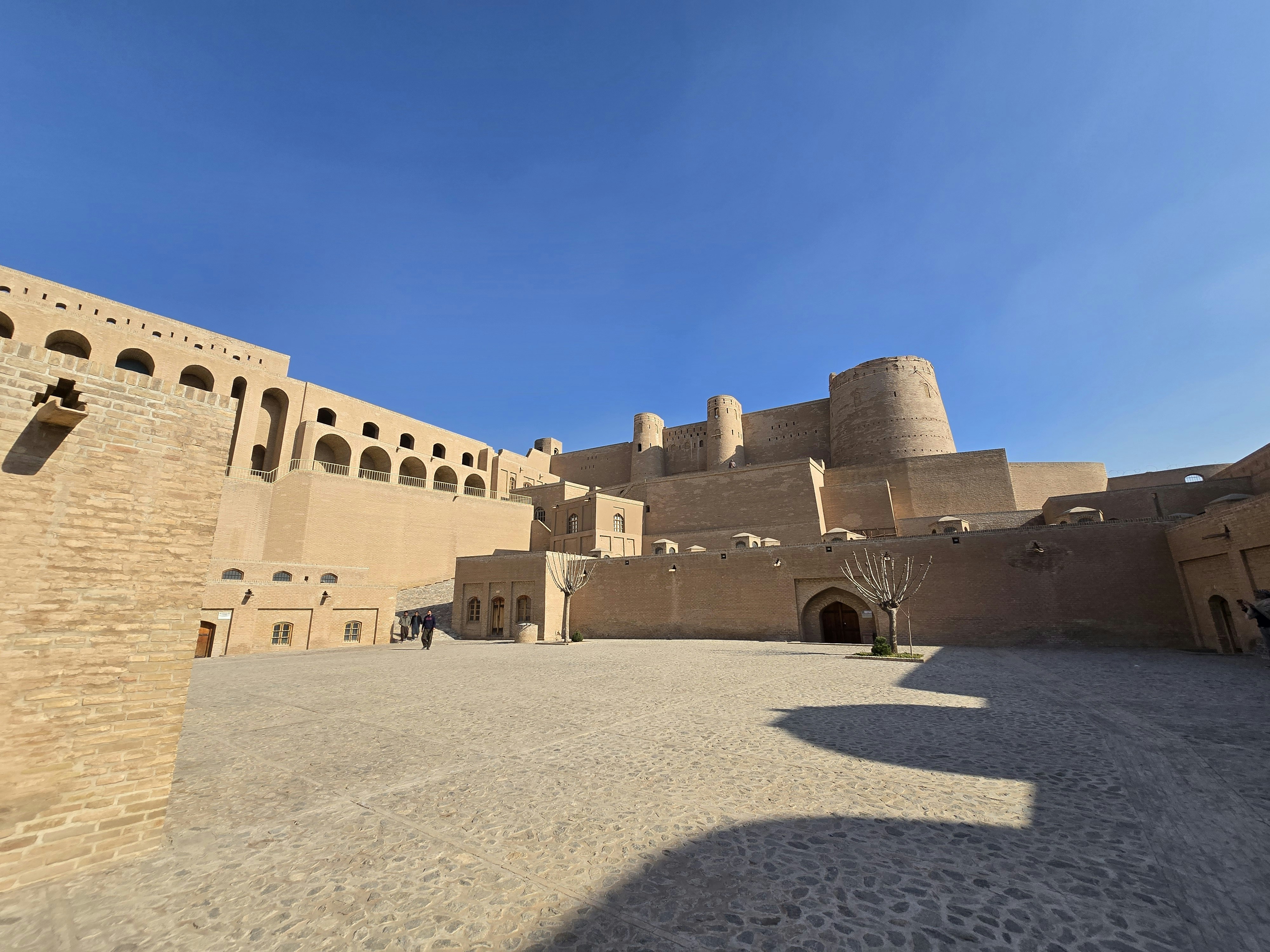
Herat is one of the great cities of the Islamic world — a place of poets, scholars, architects, and merchants that for centuries rivaled Samarkand and Bukhara as a cultural center of Central Asia. Located in western Afghanistan near the Iranian border, Herat is renowned for its Timurid Islamic architecture, its bazaars, its carpet weaving tradition, and its distinctive Herati culture that blends Persian, Central Asian, and Afghan influences. Top Attractions in Herat The Jama Masjid (Friday Mosque) Herat’s Friday Mosque is arguably the finest example of Timurid Islamic architecture still standing. Originally built in 1200 AD and rebuilt multiple
Read moreKabul Travel Guide
Kabul is Afghanistan’s capital and largest city, home to approximately 4–5 million people and the entry point for virtually all international visitors. It is a city of dramatic contrasts — ancient history, Soviet-era architecture, modern bazaars, and the backdrop of the Hindu Kush mountains — that rewards curious travelers who take the time to explore it with an experienced local guide. Top Things to See in Kabul Babur Gardens (Bagh-e Babur) The Babur Gardens, built by the Mughal Emperor Babur in the early 16th century and restored with international support in the 2000s, are one of Kabul’s most peaceful and
Read moreBamiyan Valley Travel Guide
The Bamiyan Valley is Afghanistan’s most internationally known destination and, for many travelers, the primary reason for visiting the country. Nestled in the central highlands at 2,500 metres elevation, Bamiyan combines extraordinary historical heritage with stunning mountain scenery — and is generally considered one of the more accessible destinations for international visitors in Afghanistan. The Bamiyan Buddhas Bamiyan is famous worldwide for its sixth-century giant Buddha statues — once the tallest standing Buddha sculptures in the world — which were dynamited and destroyed by the Taliban in March 2001. The two massive niches carved into the sandstone cliff where the
Read moreAfghanistan Travel Tips: Practical Advice for Visitors
These practical tips are drawn from the experiences of journalists, researchers, NGO workers, and adventure travelers who have visited Afghanistan in recent years. They are intended to complement — not replace — the guidance of an experienced local tour operator. Before You Travel What to Pack Getting Around Afghanistan Internal travel in Afghanistan is primarily by road in 4×4 vehicles. Road conditions vary from good (on major highways like the Kabul–Kandahar ring road) to extremely challenging (mountain roads in Badakhshan, Nuristan, and the Wakhan). Flying between cities is possible with Kam Air and Ariana Afghan Airlines but schedules are unreliable
Read moreAfghanistan Travel Advisory 2026
This page summarizes official travel advisories for Afghanistan from major Western governments as of 2026, along with AFGTO’s practical commentary for travelers who are actively considering a visit. Official Government Advisories (2026) United States (State Department) Level 4: Do Not Travel — The US State Department maintains a Level 4 (Do Not Travel) advisory for Afghanistan, the highest warning level. Reasons cited include terrorism, civil unrest, crime, kidnapping, and the closure of the US Embassy in Kabul. US citizens in Afghanistan cannot access consular services locally. United Kingdom (FCDO) Advise Against All Travel — The UK Foreign, Commonwealth & Development
Read moreBest Places to Visit in Afghanistan
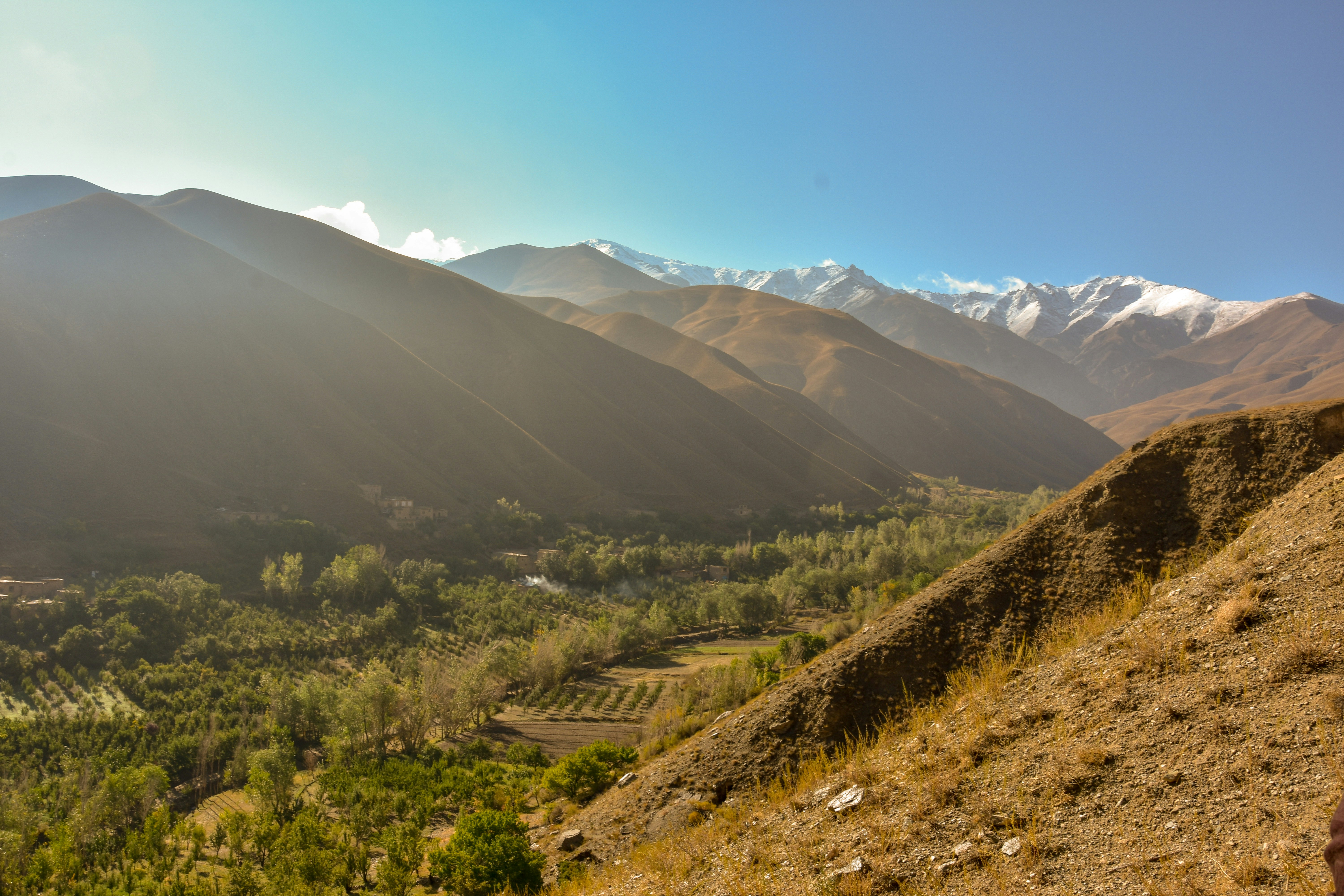
Afghanistan is home to some of the most dramatic and historically significant landscapes in all of Central Asia. From ancient Islamic architecture to turquoise mountain lakes and remote Silk Road caravan routes, the country offers extraordinary experiences for those prepared to make the journey. Here are the top destinations worth visiting. 1. Bamiyan Valley Perhaps Afghanistan’s most internationally recognized destination, the Bamiyan Valley sits in the central highlands at 2,500 metres elevation. The valley is famous for the giant niches where the sixth-century Bamiyan Buddhas once stood — destroyed by the Taliban in 2001 — and is now a UNESCO
Read moreAfghanistan Visa Guide: Requirements by Nationality
Obtaining a visa to travel to Afghanistan has changed significantly since August 2021, when the Taliban took control of the country. This guide explains the current visa situation for international travelers, with specific information for US citizens, European nationals, UK citizens, and other common nationalities. Can US Citizens Travel to Afghanistan? US citizens are not legally prohibited from traveling to Afghanistan, but the US State Department issues a “Do Not Travel” advisory for the country (Level 4, the highest warning level). The US Embassy in Kabul has been closed since August 2021, meaning US citizens in Afghanistan cannot access consular
Read more